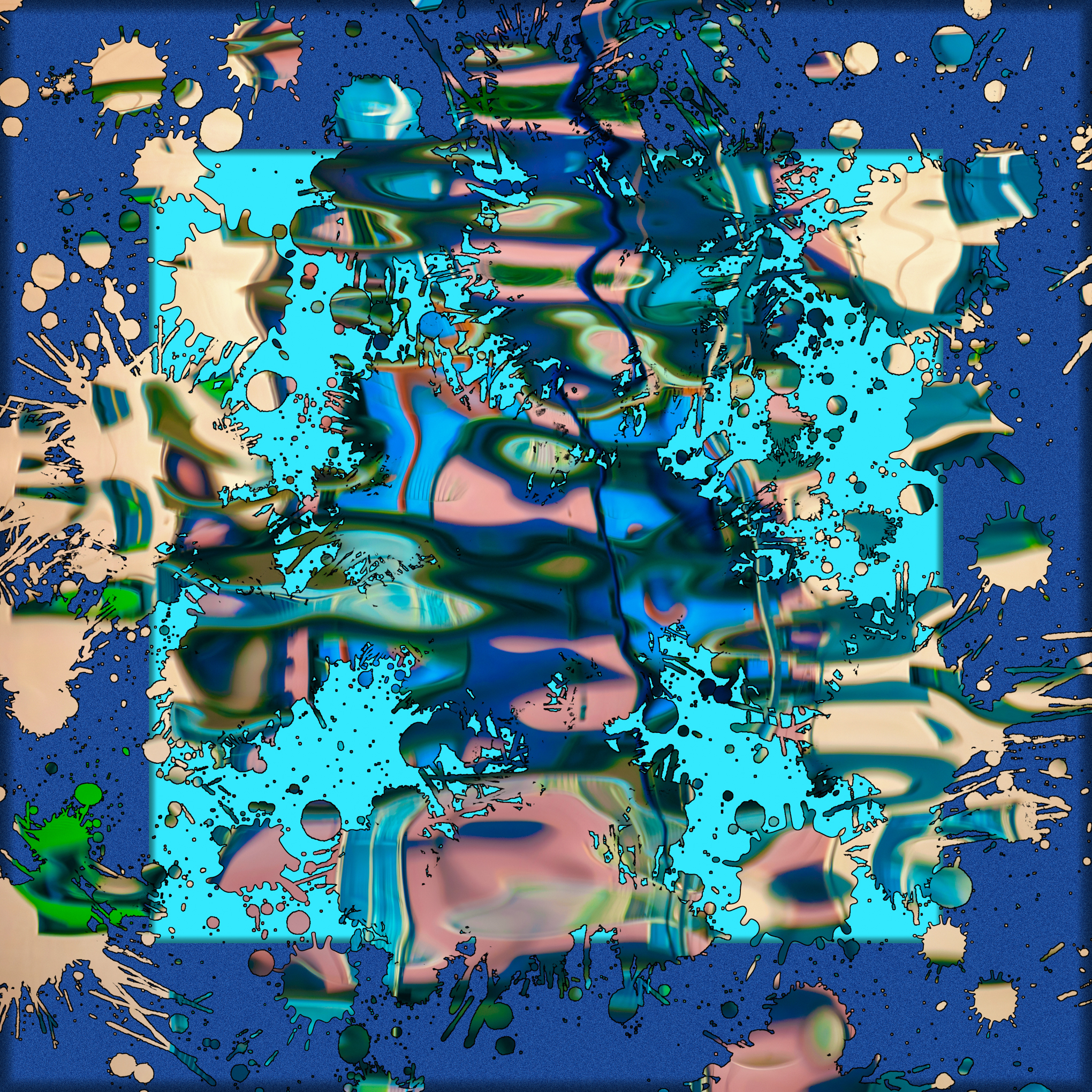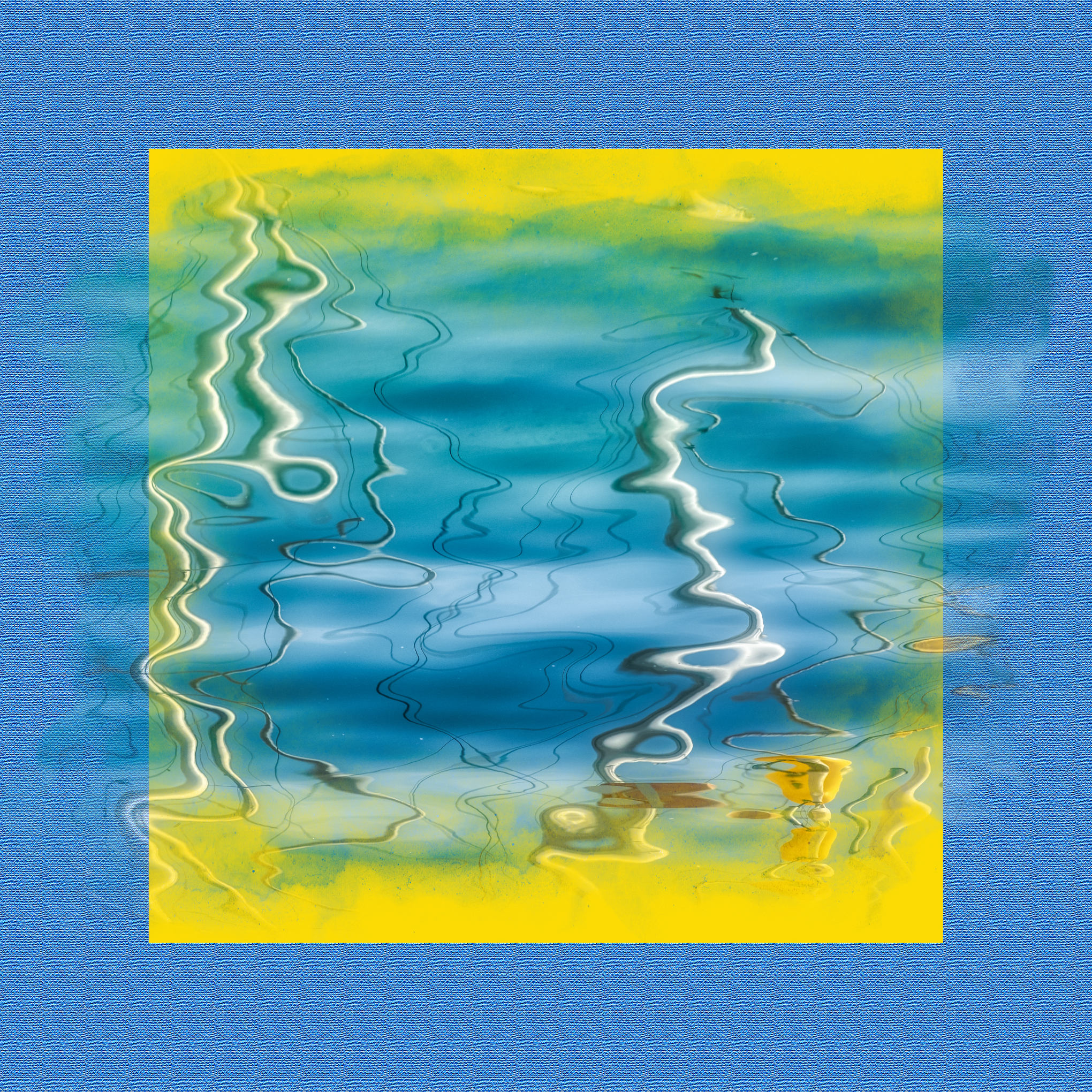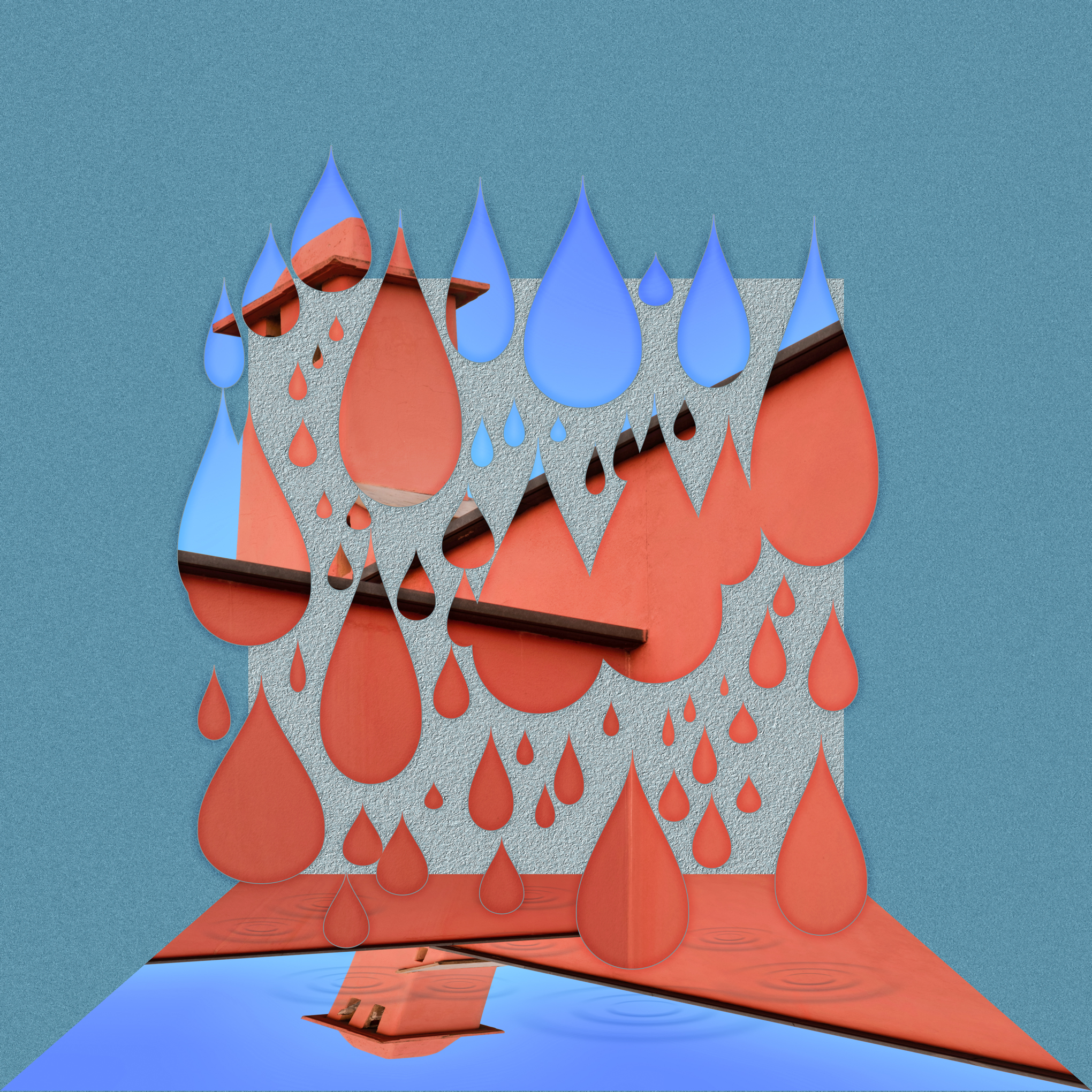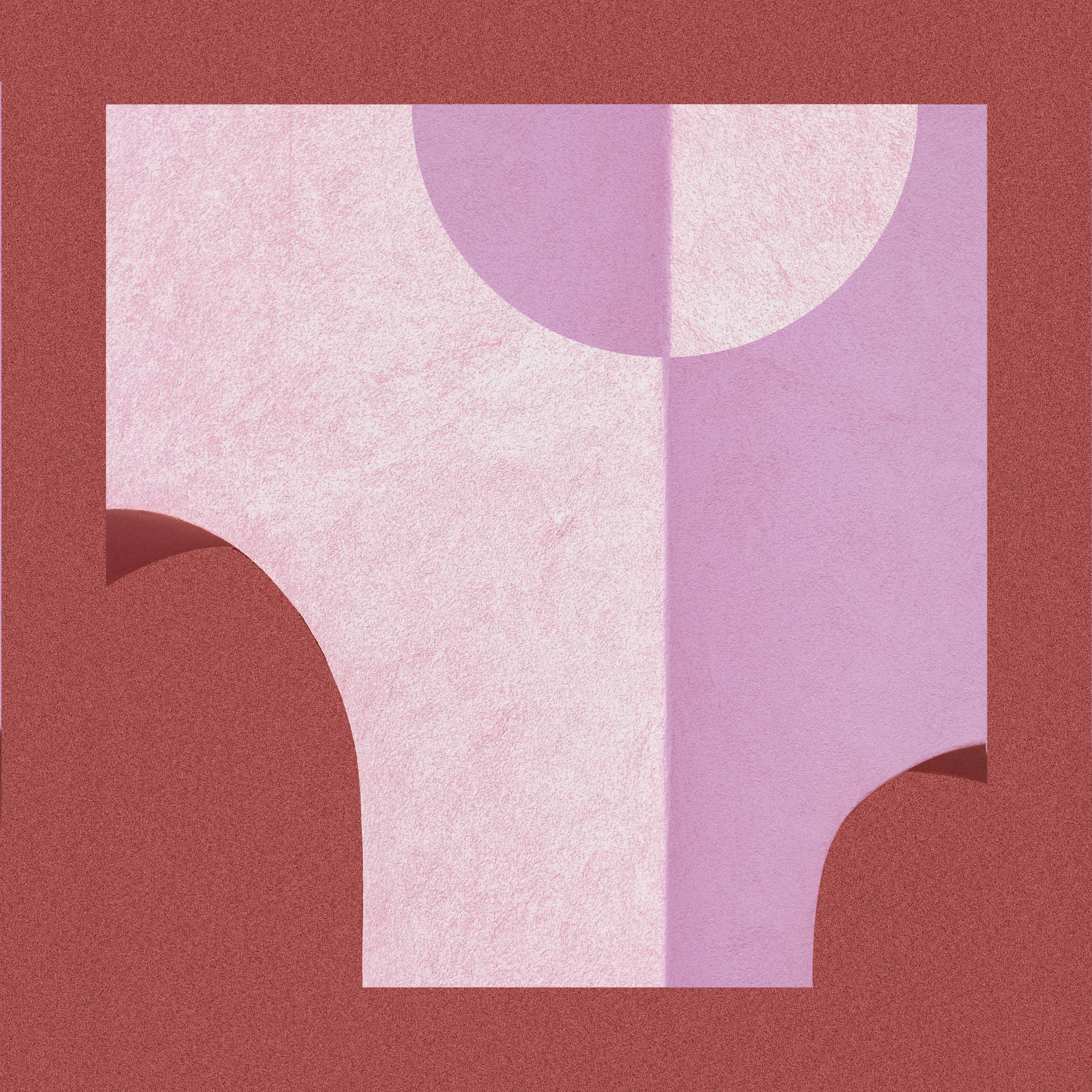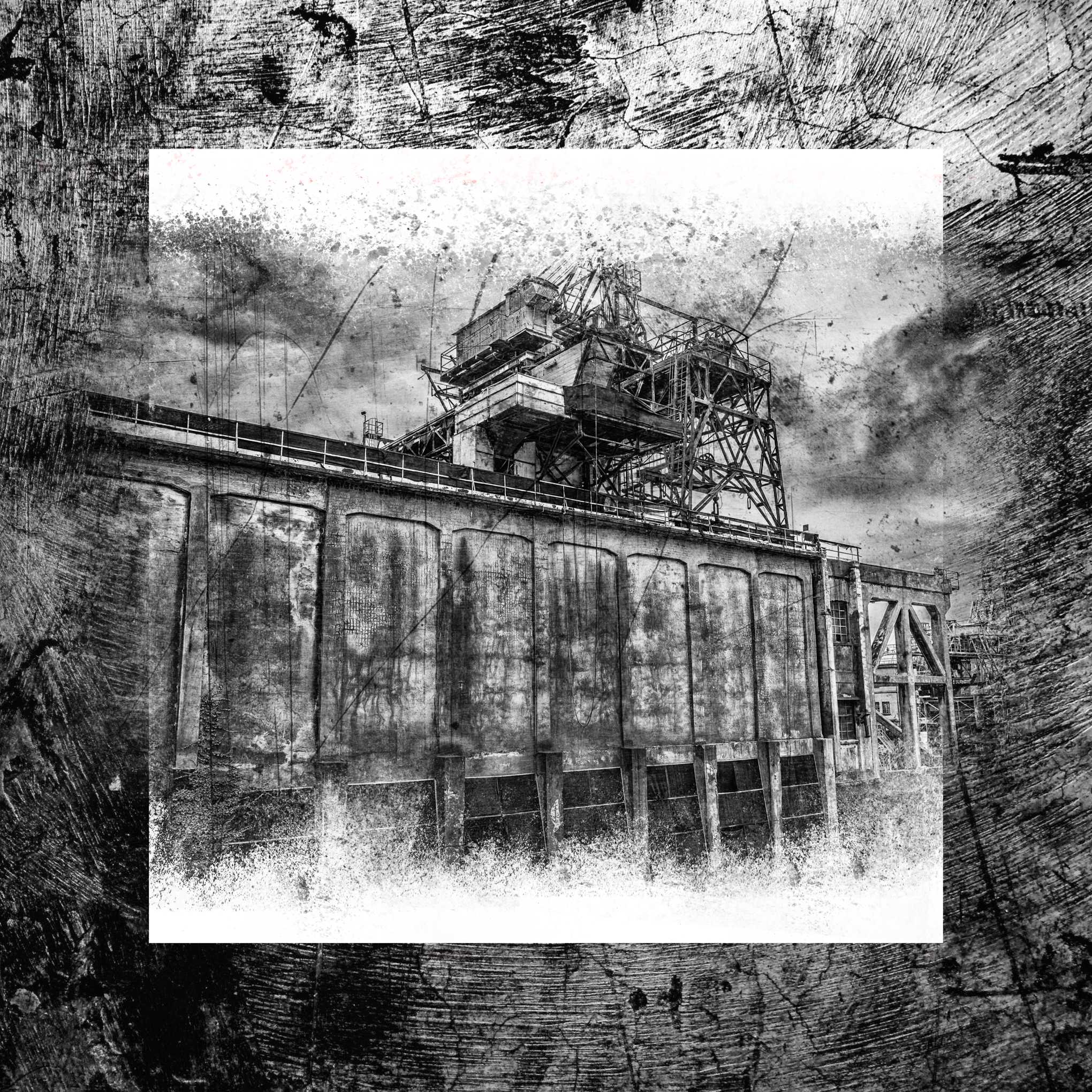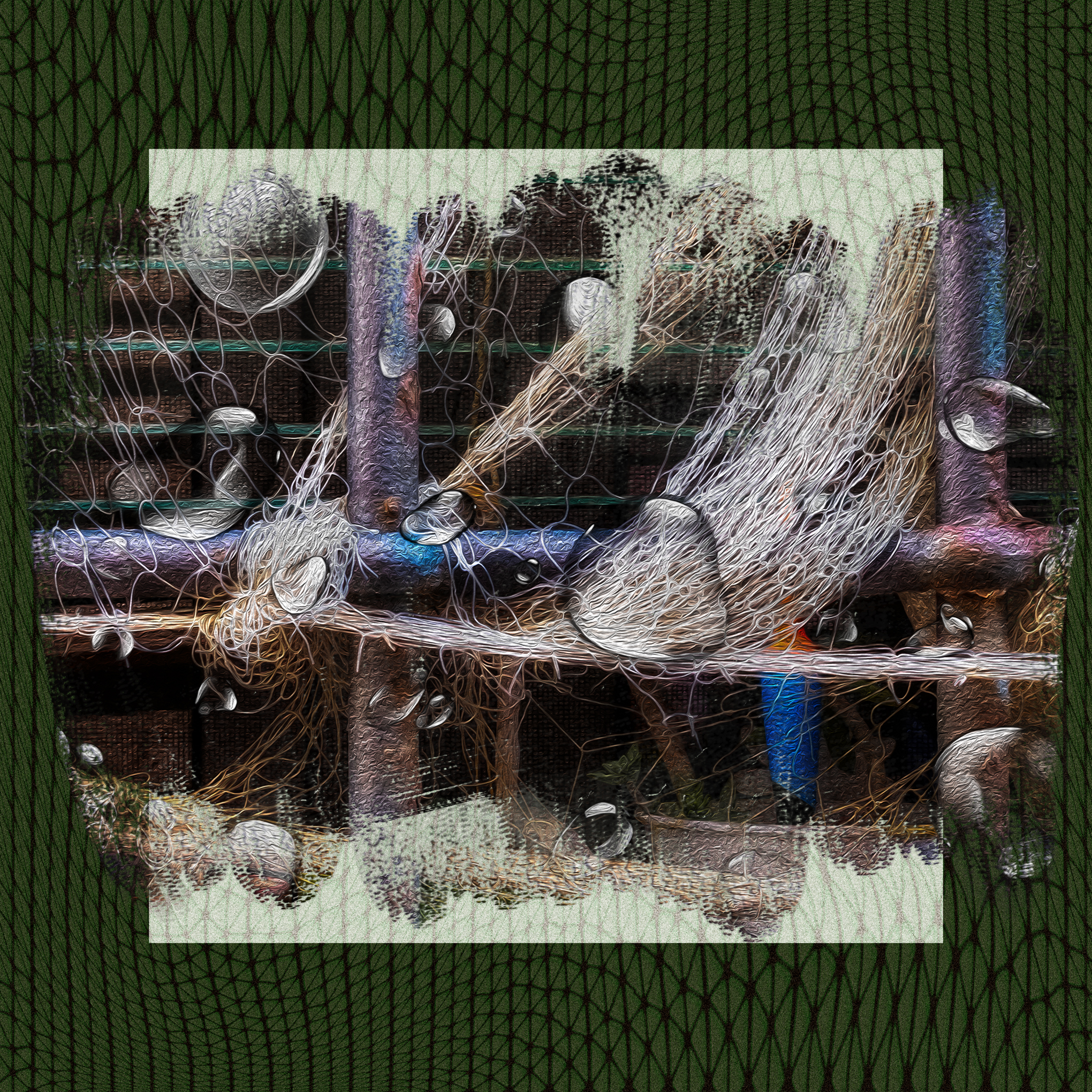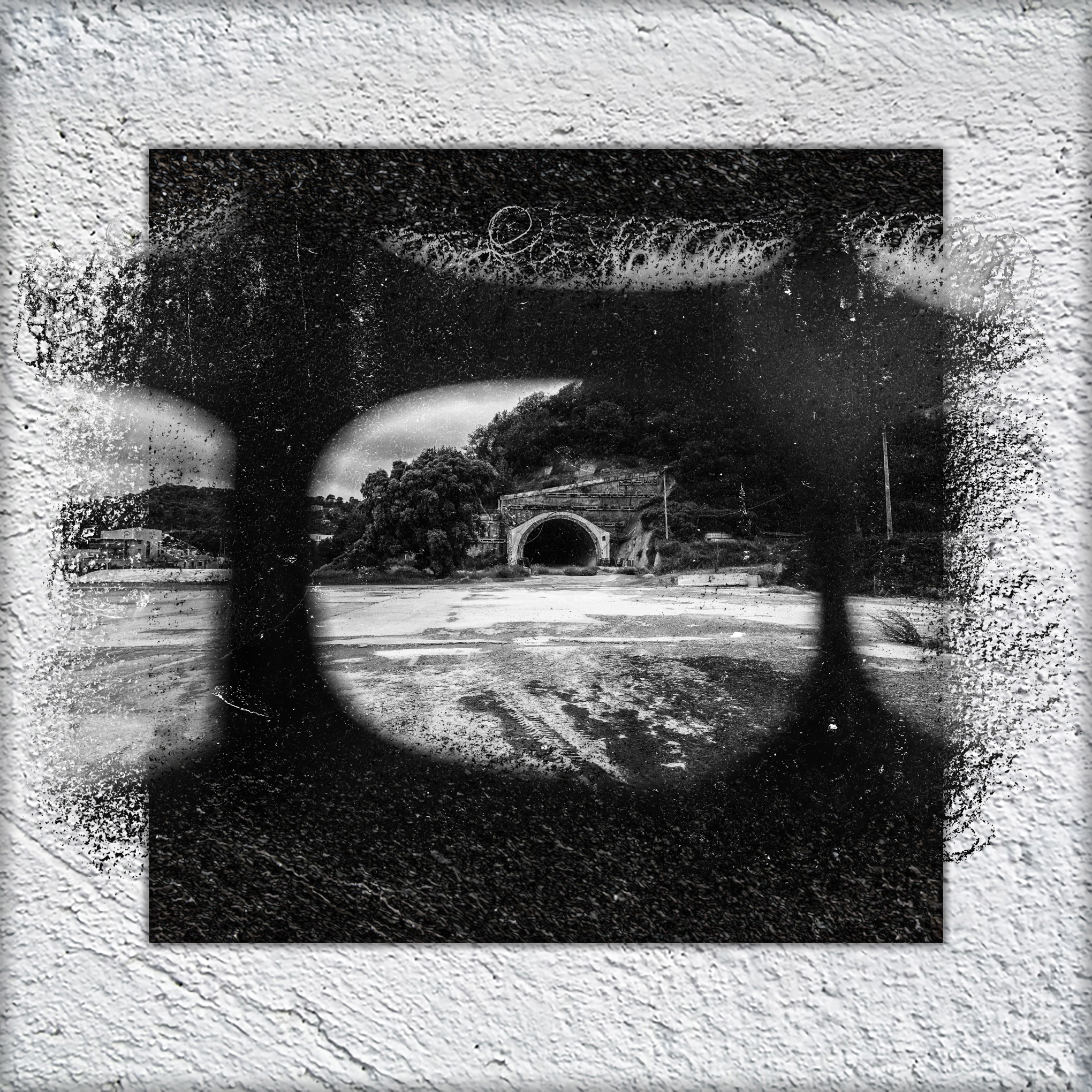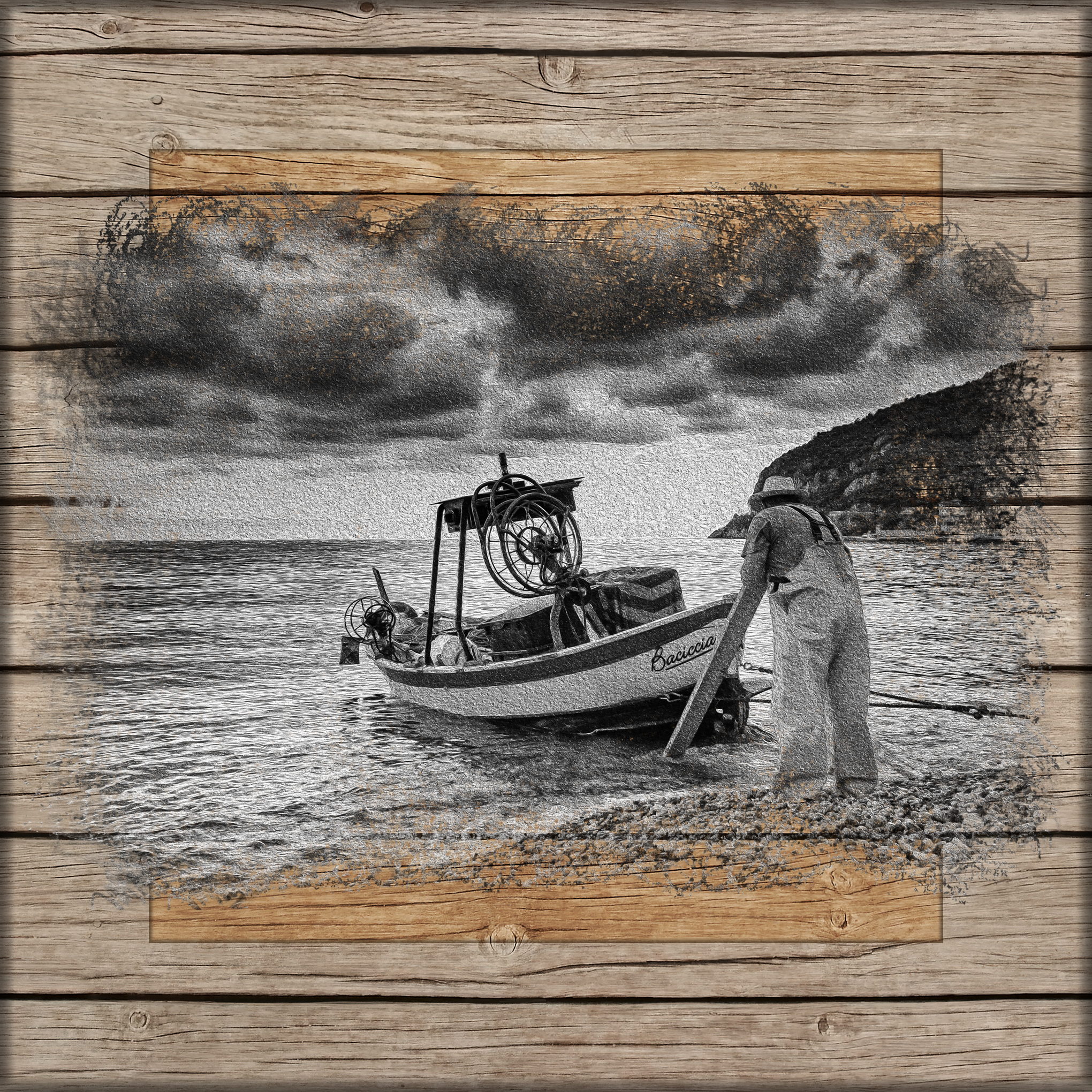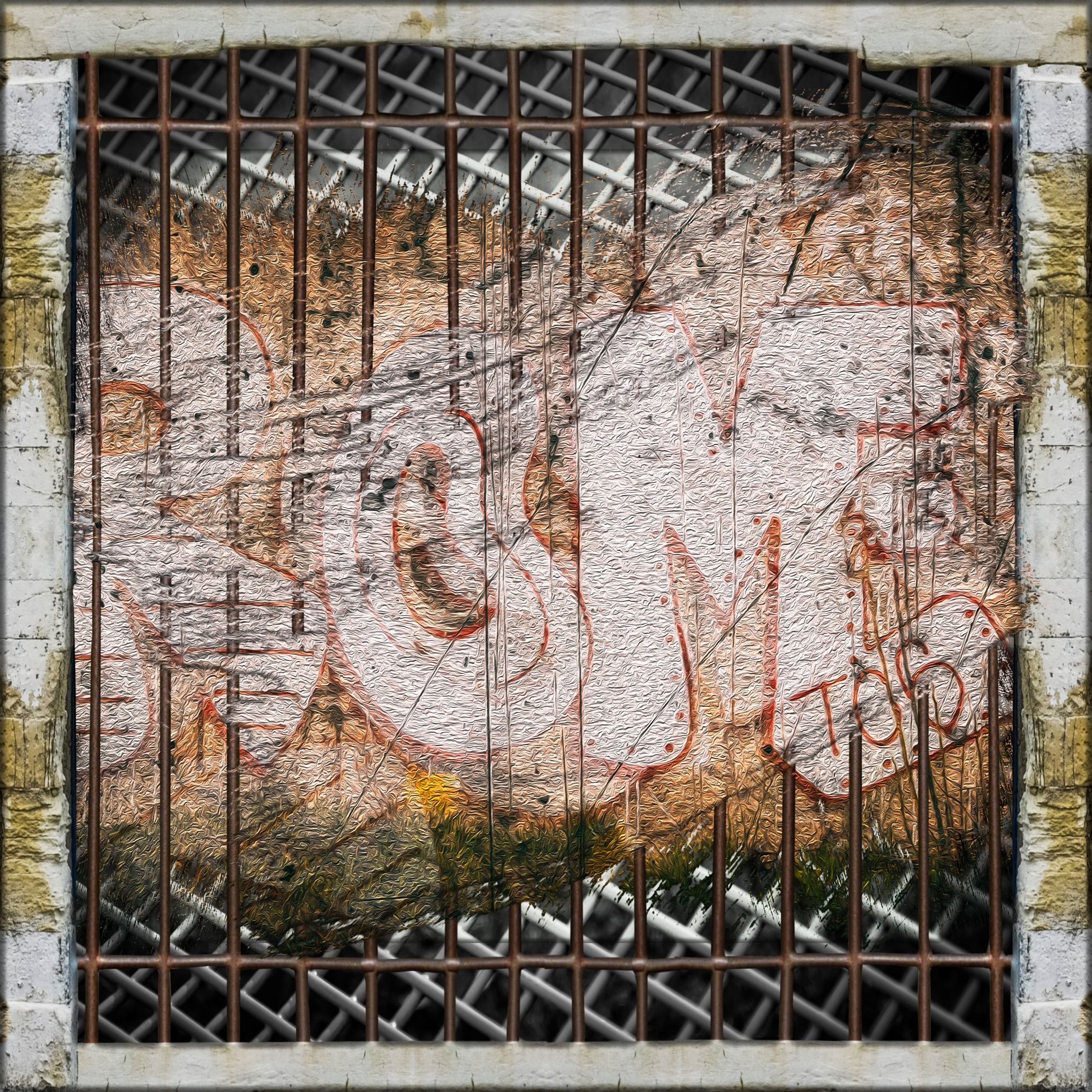
Il progetto VELI DI COLORE, profondamente interconnesso con “B COME BURANO – B COME BRUSHING“, propone una rilettura contemporanea del paesaggio lagunare di Burano, privilegiando la percezione sensoriale sul dato topografico. L’effetto acquerello, con la sua trasparenza intrinseca e la capacità di modulare luce e pigmento, diventa strumento di indagine fenomenologica sulla percezione visiva e sul ruolo dell’esperienza corporea nello spazio.
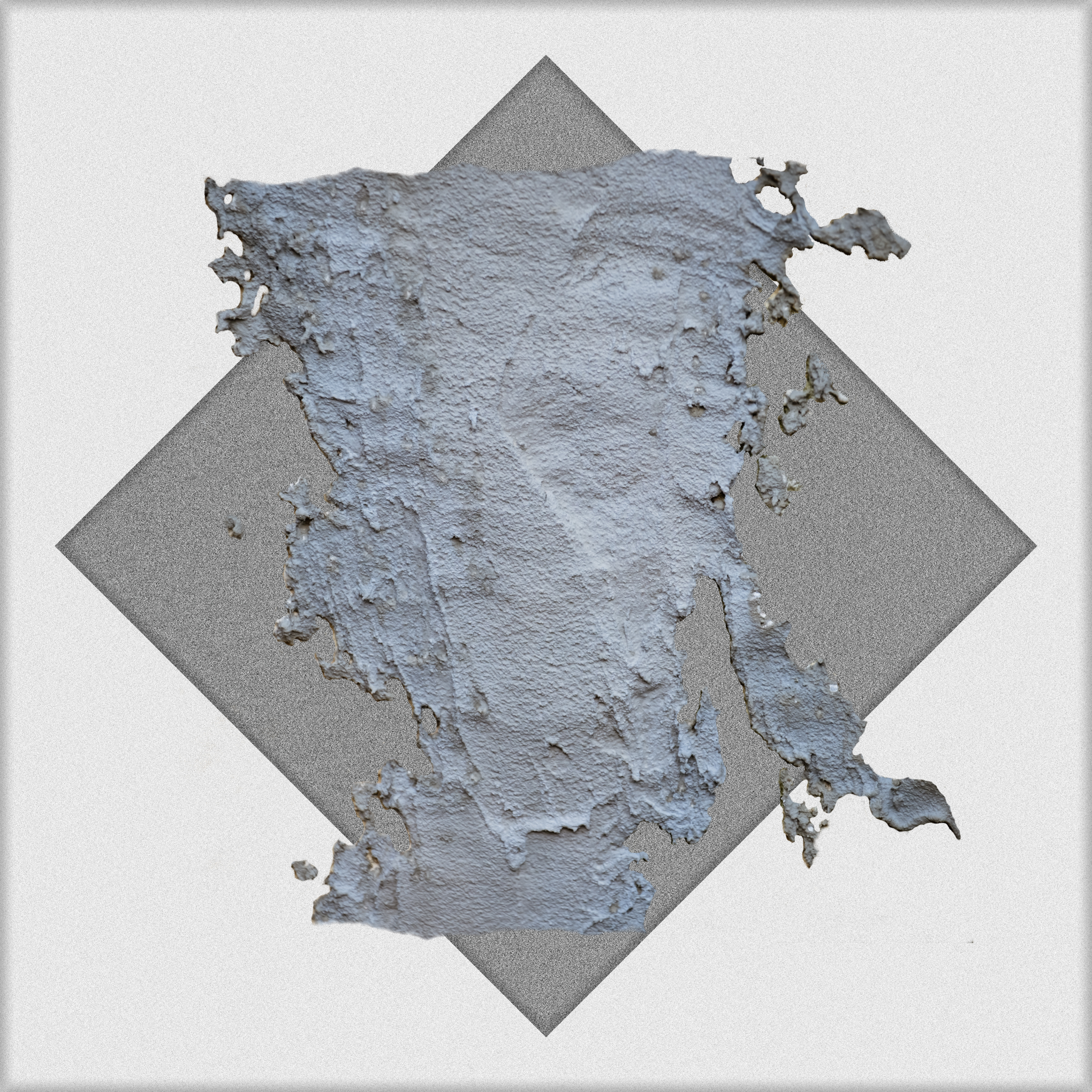
Il muro scrostato, reso con delicate variazioni di tono e sfumature di colore azzurro, diventa protagonista visivo e concettuale: la sua patina di sfondo rivela la stratificazione del tempo, le tracce del vissuto e l’erosione naturale degli elementi, trasformando l’architettura in testimonianza emotiva e storica. La texture irregolare, sottolineata dal fluire dell’acquerello, suggerisce un dialogo tra materiale e luce, conferendo profondità e movimento alla superficie e generando una tensione poetica tra decadenza e bellezza.
Il tutto non si limita a una resa figurativa: attraverso la modulazione del colore e del vuoto, l’effetto acquerello diventa veicolo di riflessione sul tempo, sulla memoria e sulla soggettività dell’esperienza estetica. Lo spettatore viene invitato a confrontarsi con la realtà percepita, in un approccio che fonde impressione e analisi critica, traducendo il quotidiano in esperienza poetica e meditativa.
The VELI DI COLORE project, deeply intertwined with “B COME BURANO – B COME BRUSHING“, offers a contemporary reinterpretation of the lagoon landscape of Burano, prioritizing sensory perception over topographical detail. The watercolor effect, with its intrinsic transparency and ability to modulate light and pigment, becomes a tool for phenomenological investigation of visual perception and the role of bodily experience in space.
The peeling wall, rendered with delicate variations in tone and shades of blue, becomes a visual and conceptual protagonist: its background patina reveals the stratification of time, the traces of experience, and the natural erosion of the elements, transforming the architecture into an emotional and historical testimony. The irregular texture, emphasized by the flowing watercolor, suggests a dialogue between material and light, lending depth and movement to the surface and generating a poetic tension between decadence and beauty.
This is not limited to a figurative rendering: through the modulation of color and void, the watercolor effect becomes a vehicle for reflection on time, memory, and the subjectivity of aesthetic experience. The viewer is invited to engage with perceived reality, in an approach that blends impression and critical analysis, translating the everyday into a poetic and meditative experience.